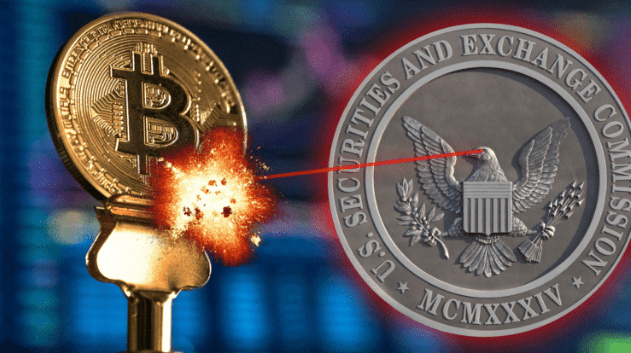
The SEC treats many crypto instruments as securities when investment intent, risk, and expected profits align, and enforcement can reach exchanges, custody, and disclosure duties. Operators face scrutiny for operation gaps, transparency flaws, and market integrity weaknesses. Guidance and court rulings demand a skeptical, concise interpretation geared toward practical effects on taxation, mining legality, and enforcement patterns. Everyday activity hinges on disciplined rule assessment and clear distinctions between exchanges and wallets, yet the evolving landscape keeps incentives and risks in tension.
What Counts as a Security in Crypto?
What counts as a security in crypto? The analysis hinges on classification criteria, not labels alone. A security classification rests on investment intent, risk, and expectation of profits. Token definitions vary, yet many instruments resemble securities in practice. Exchanges regulation, the duty to disclose, and custody rules shape risk management, while clarity on rights and ownership curbs ambiguity for markets seeking freedom.
How the SEC Enforces Rules on Exchanges and Custody
The SEC enforces exchange and custody rules through a combination of registration requirements, ongoing disclosures, and enforcement actions that target deficiencies in operation, custody practices, and investor protection.
Using a skeptical lens, the agency deploys SEC enforcement mechanics to probe exchange transparency, margin practices, and market integrity, while demanding robust custody compliance, audit trails, and risk controls—suppressing ambiguity and fostering accountability for freedom-minded participants.
Interpreting Guidance and Court Decisions for Investors
The analysis remains skeptical, concise, and precise, filtering official statements against practical impact.
Investors consider cryptocurrency taxation, crypto mining legality, and enforcement patterns, while recognizing ambiguity.
Freedom-minded readers should demand transparent reasoning, verifiable citations, and clear risk disclosures—without overreliance on formal uncertainty.
Navigating Everyday Crypto Activity Under Regulation
Navigating everyday crypto activity under regulation requires a disciplined assessment of applicable rules, practical implications, and enforcement risk. A detached observer notes that participants must weigh risk factors, distinguish between exchanges and wallets, and monitor evolving guidance. Compliance-minded choices remain essential, while incentives for innovation persist. Tax implications demand record-keeping, timing considerations, and prudent reporting to avoid unintended consequences and penalties.
See also: The Future of AI Governance
Conclusion
The SEC’s stance shapes secure stewardship and scrutiny in crypto. Skeptical, succinct scenarios show securities status often hinges on investment intent, risk, and profits. Regulators regulate exchanges, custody, disclosures, and integrity, while enforcement targets opacity and operational deficiencies. Investors must differentiate exchanges from wallets, assess guidance with guarded judgment, and navigate evolving rules. Practical prudence prevails: apply cautious due diligence, stay compliant, and pursue innovation within regulatory boundaries, balancing benefit with broader market accountability and risk awareness.