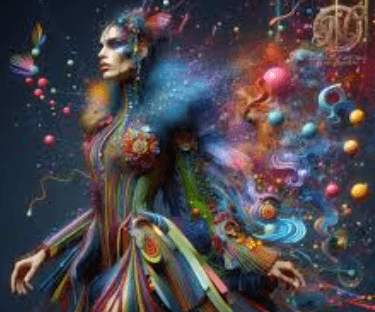
Fashion operates where utility meets rhetoric. Garments become arguments, color and texture signaling stance as much as function. Runways stage transitions between media, music, and performance, testing how clothing communicates. Personal style evolves into living sculpture, disciplined yet expressive, responsive to context. The encounter leaves a question: what beliefs endure when clothes speak as art, and whose voice do they carry today?
What Fashion as Art Really Means
Fashion functions as a form of art when its garments, textures, and silhouettes are deployed with intentionality, shaping perception as decisively as a painting or sculpture. The discipline translates mood through conceptual symbolism and material innovation, granting clothing interpretive heft beyond utility. Designers orchestrate form and meaning, inviting viewers to question norms, reframe identity, and embrace freedom as a critical lens on culture.
Visual Elements That Turn Garments Into Canvases
Visual elements transform fabric into a receptive surface, where color, texture, line, and silhouette act as argument and emphasis. The garment becomes a stage for texture narratives, where tactile truth and visual tactfulness negotiate meaning. Color choreography governs mood and pace, while line and silhouette map intention. Observant critique notes coherence, contrast, and risk, judging effectiveness without surrendering creative freedom.
Designers Who Fuse Media, Music, and Performance
Designers who fuse media, music, and performance expand the runway into a multifaceted stage, where collaborative ecosystems blend audiovisual storytelling with garment construction. Their essais reveal couture collaborations that push boundaries, integrating stagecraft silhouettes with interactive media.
Observed trends emphasize disciplined collaboration, tight choreographic pacing, and refined tailoring, yielding garments that function as both sculpture and narrative. The approach values freedom, clarity, and purposeful experimentation.
How to Curate Personal Style as Living Artwork
Curated personal style can be understood as a disciplined articulation of identity, where clothing becomes a living sculpture that evolves with context, mood, and intention.
The approach treats wardrobe as wearable sculpture, embracing bold color palettes and deliberate texture.
Sustainable storytelling emerges through textile narratives, inviting observers to interpret choices.
Detached evaluation confirms style as evolving, expressive, and consciously chosen, not merely fashionable.
See also: SEC and Crypto Explained
Frequently Asked Questions
How Does Audience Perception Shape Wearable Art?
Audience perception shapes wearable sculpture by defining meaning, value, and receptivity; it filters intent, constrains interpretation, and elevates or diminishes risk-taking. Observant analysts note feedback loops, evolving norms, and the artful negotiation between creator and viewer.
Can Fashion Criticism Influence Design Direction?
Critically, fashion critique can steer design direction, as critics’ echoes ripple through studios like distant bells. Observers note influence shaping silhouettes, fabrics, and narratives, while designers weigh reception, balancing autonomy with market sensibilities in a measured, evaluative scope.
What Role Does Sustainability Play in Wearable Sculpture?
Sustainability shapes wearable sculpture through sustainable materials and circular design, guiding choices that balance aesthetics with longevity; observers note deliberate resource use, evaluative of lifecycle impacts, and articulate attention to freedom of expression within responsible, innovative practice.
How Do Cultural Contexts Alter Artistic Fashion Choices?
Cultural contexts alter artistic fashion choices as societies project Cultural symbolism and Ritual attire onto Wearable perception, guiding Audience interpretation; Material ethics and Sustainable craftsmanship influence decisions, while Mass customization scales artistry, balancing freedom with norms in evolving fashion.
Is Fashion as Art Scalable in Mass Production?
Yes, fashion as art scales through conceptual tailoring, yet challenges arise in mass production. The observant evaluator notes tension between creativity and compromise, emphasizing labor ethics, sustainability, and the need for transparent practices amid expansive dissemination.
Conclusion
Fashion, as art, reframes clothing from mere utility into a charged dialogue of meaning, texture, and motion. The most compelling designs orchestrate color, line, and material into living narratives that resonate beyond the runway. A hypothetical designer might stage a show where sound, lighting, and fabric resistance choreograph each reveal, turning garments into responsive protagonists. Such performances demonstrate that style is a critical lens—observant, evaluative, and intentionally crafted—to critique culture while inviting ongoing interpretation.